Where do you feel God’s presence the most? Maybe it’s in prayer, or solitude. Maybe it’s when you’re reading your Bible or reciting God’s Word. Maybe it’s when you’re among His people in the context of your local church. For many of us, it’s a combination of all of these.
I hate to do this—but now imagine those being stripped away.
On this side of the cross, we know God is always with us. The Holy Spirit dwells within believers. We have security knowing He is near to His people and will never leave us. (Hallelujah!)
But for God’s people in the Old Testament, His presence was uniquely tied to the temple. This was the place where they worshipped God with their rituals and made appropriate sacrifices to atone for sins. This is where they felt His presence.
Comfortable homes, crumbling worship
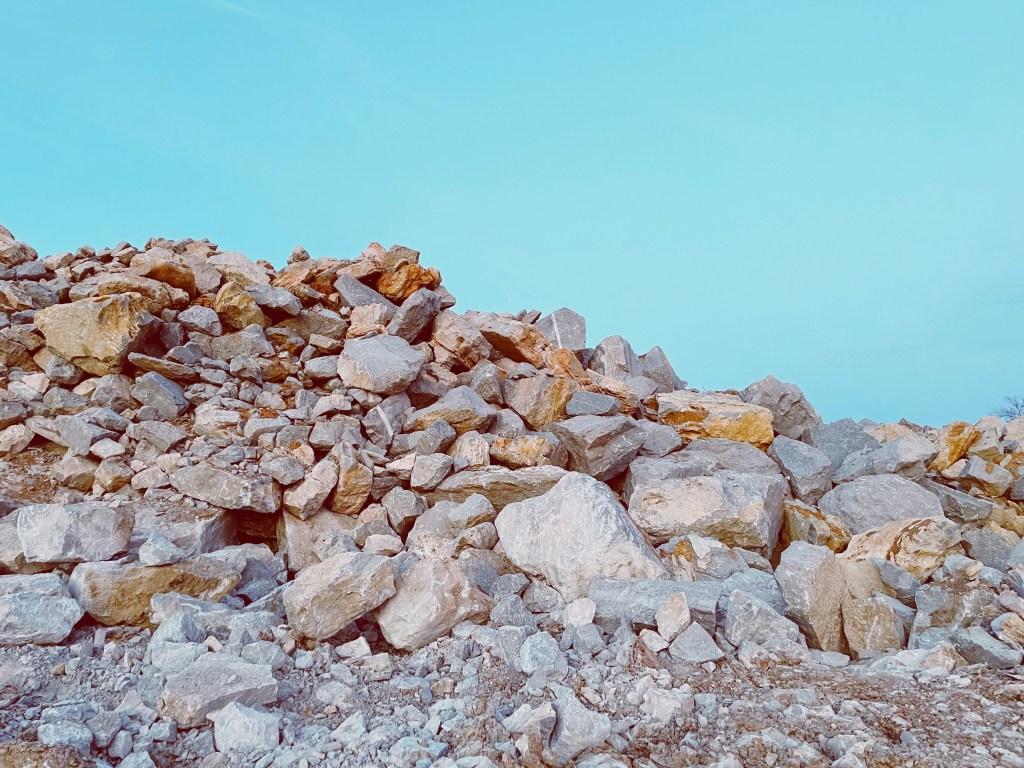
About two years after the exiled Jews returned to Jerusalem, they had laid the foundation of the new temple and constructed the altar of burnt offerings. Within a few months, perhaps the temple could have been completed, but somewhere along the line, conspiracy, bribery, and official decrees halted their work. For nearly 16 years, the temple sat unfinished, left in ruins—likely a reflection of their spiritual condition during that time.
By God’s grace, He did not leave them in that state.
Through the prophet Haggai, God called His people to reflect and resume the work.
“Consider your ways.”1
The people had occupied themselves with building and improving their own homes while God’s dwelling place remained a heap of rubble. Something was clearly wrong with that picture. Their priorities had shifted.
They viewed their opposition as an immovable obstacle. Without a completed temple, which God had called them to rebuild2, they were unable to worship and make the necessary sacrifices that would temporarily atone for their sins. They had lost sight of honoring the God who had brought them out of bondage once again.
A gracious call to return
Haggai’s message came as a rebuke and a warning. God desired more for His people. He wanted them to experience their highest purpose—to love Him, worship Him, and place Him above all else.
Around the same time Haggai called God’s people to outward obedience, another prophet, Zechariah, addressed their hearts.
“Return to me … Return from your evil ways and evil deeds.” (Zech. 3b-4)
From rubble to renewal
How often are we just like these Jewish people? We allow worldly concerns to take priority over worshipping God. We treat circumstances or opposition as obstacles and let them have their way. Or perhaps we simply lose sight of God’s rightful place and divine authority. We lose sight of who He has called us to be.
Oof.
Yet God, in His great mercy, does not leave us among the rubble and ruin.
His goodness doesn’t depend on our circumstances or our performance, and it never has. His goodness flows from who He is.
He lovingly calls: “Return to me.”
When sin forces distance between us and God, repentance is the only path back to fully experiencing the joy, wonder, and nearness of His presence. As we respond to the Holy Spirit’s ongoing sanctifying work in us, we are restored in relationship and purpose.
God desires that His people would know Him. He calls us to return, to draw near to Him3. He promises His blessings upon us—to grow His Kingdom and protect and prosper His people. This is not as a reward for our perfection, but it is part of His eternal plan that reveals His glory.
There’s so much goodness in store for those who are in Christ. We get a taste of it when we feast on His Word, which is how we learn about who He is.
Don’t wait years to return to Him. Run into His safe and loving arms now and experience His unmatched presence once again.
Reflect:
- What “opposition” or distractions tend to pull your focus away from worship or obedience?
- Are there areas where personal comfort has taken priority over honoring God?
- What might it look like for you to “return” to God in this season?
- How does remembering God’s unchanging goodness motivate repentance rather than fear?
Read more:
Ezra 3-6; Haggai 1-2; Zechariah 1-4; Isaiah 66:1-2; John 1:14
Photo by Nick de Partee on Unsplash
All scripture references are from the English Standard Version, unless otherwise noted.
If you would like to subscribe to my newsletter, Magnify, please add your email address here.






 Goodness in the ordinary
Leave a comment