
Patience doesn’t come naturally to me. I’m young, Type-A, used to modern conveniences, and I prefer control—it helps me know what to expect. I don’t like waiting, especially when the outcome isn’t what I hoped for.
I like schedules and direction. The straight and narrow. I’m thrown off by the unpredictable and unforeseeable.
That’s why I’ve had to learn—and am still learning—how to pray not for my will, but for God’s will. It’s an ongoing process, not a one-time lesson for me.
When Jesus taught His disciples how to pray, He said:
“Pray then like this: Our Father in heaven, hallowed be your name. Your kingdom come, your will be done, on earth as it is in heaven”
Matthew 6:9-10
After years of following Jesus and learning how to pray, the Apostle John wrote with spiritual maturity:
“And this is the confidence that we have toward him, that if we ask anything according to his will he hears us”
1 John 5:14
Maybe growth didn’t come easily for the one who famously outran Peter to Jesus’ empty tomb either. But over time, praying according to God’s will teaches us patience because it aligns our hearts with His.
We celebrate answered prayers: The prodigal son returns. The tumor disappears. The deaf child hears. These moments rightly stir awe and praise for God’s unlimited power.
But what about the prayers that seem to go unanswered?
- The couple who never had children, though they desperately desired them.
- The friend still bound by addiction, though she’s sought all she can for help.
- The diagnosis with no cure and the promise of a lifetime of uncomfortable treatment.
Even through these circumstances we can confidently declare: God is still good. Through waiting, grief, and hardship—He remains faithful.
I think of Job. Once surrounded by blessings, he lost everything: his family, health, his livelihood, possessions. He experienced crushing tragedy and yet God allowed him to still suffer extreme grief, isolation, and affliction. Job pressed God and even questioned why he was born.
But Job never denied who God was. He didn’t curse Him. Through his confusion and sorrow, he let God be God. Hurt, though it did.
“Though he slay me, I will hope in him;”
Job 13:15a
I also think of Paul, who was burdened by his own thorn in the flesh, was shipwrecked and imprisoned multiple times. Yet he is the one who best teaches us what true contentment looks like.
“Not that I am speaking of being in need, for I have learned in whatever situation I am to be content. I know how to be brought low, and I know how to abound. In any and every circumstance, I have learned the secret of facing plenty and hunger, abundance and need. I can do all things through him who strengthens me.” Philippians 4:11-13
And I think of Jesus, kneeling in Gethsemane, fully God and yet fully human, praying:
“Father, if you are willing, remove this cup from me. Nevertheless, not my will, but yours, be done.”
Luke 22:42
Jesus faithfully surrendered everything to the Father’s will—not because it was easy, but because He trusted God completely.
God cares deeply for us, but He doesn’t always give us the miracles or answers we want, when we want them. Why? Because He desires our holiness more than our temporary happiness.
Where self-will ends, spiritual maturity begins. I believe it’s in this place where we recognize our helplessness and where we actually submit to God’s reign over us. We die to ourselves.
It’s like choosing food that nourishes over food that merely tastes good. I may crave French toast, but I know that a simple egg, avocado, and blueberries would serve my body better. God’s will often works the same way—it’s what truly sustains us, not just what we think we need at the moment.
If God gave us everything we asked for, we’d become our own masters. But He leads us on the path of life—shaping our souls for eternity, not just for comfort now.
“So we do not lose heart. Though our outer self is wasting away, our inner self is being renewed day by day”
2 Corinthians 4:16
When we pray, “Thy will be done,” we surrender control—not in fear, but in faith. Because God’s will is trustworthy, even when it’s not our preference.
What a testimony to be able to say:
- Even though He hasn’t healed me, He is good.
- Even though the prodigal hasn’t come home, He is good.
- Even in sorrow and silence, He is still God—and He is still good.
How much deeper a faith to be able to wholly submit to His will over our own. May we be strong enough not to dwell on what we can’t control, and faithful enough to place it in the hands of the One who can.
What’s something you can surrender to Him today with open hands? Lord, help us to align our hearts with yours. Teach us to freely give what we can’t control into Your capable hands.
“You make known to me the path of life;
In your presence there is fullness of joy;
at your right hand are pleasures forevermore.”
Psalm 16:11
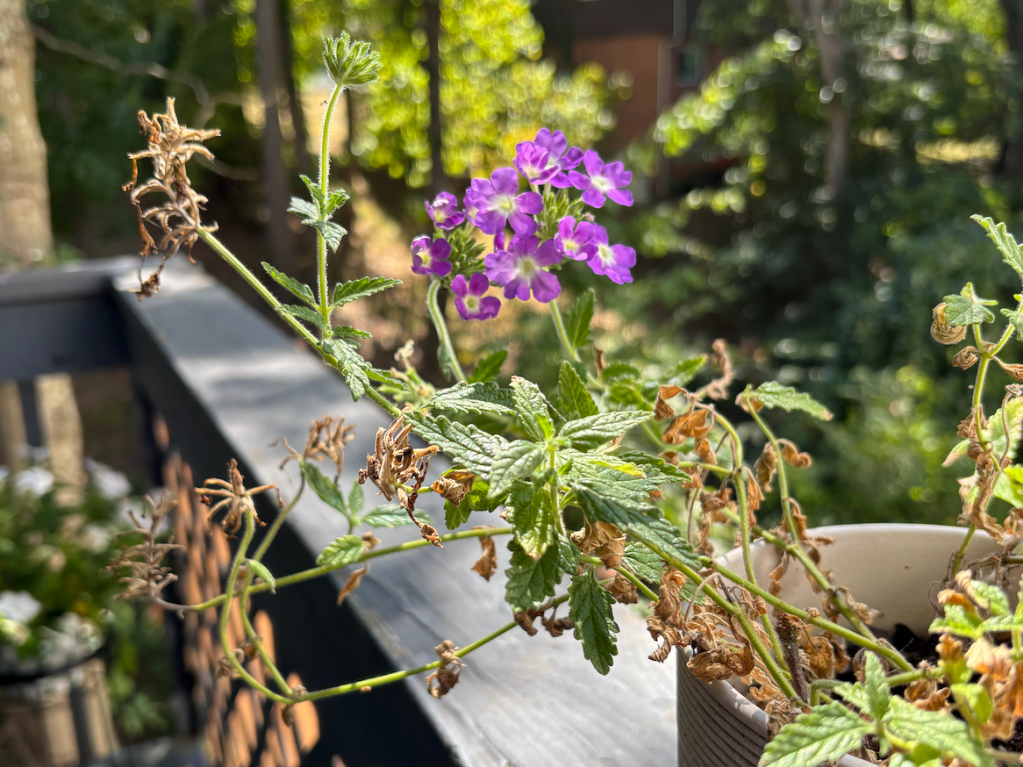
Photo by Priscilla Du Preez 🇨🇦 on Unsplash
All scripture references are from the English Standard Version, unless otherwise noted.
If you would like to subscribe to my new quarterly newsletter, Magnify, please add your email address here.





 Anna Moore
Leave a comment